
The Molecular Orchestra of Gene Regulation
How DNA, RNA, and Proteins Coordinate the Symphony of Life
The Central Dogma Revisited
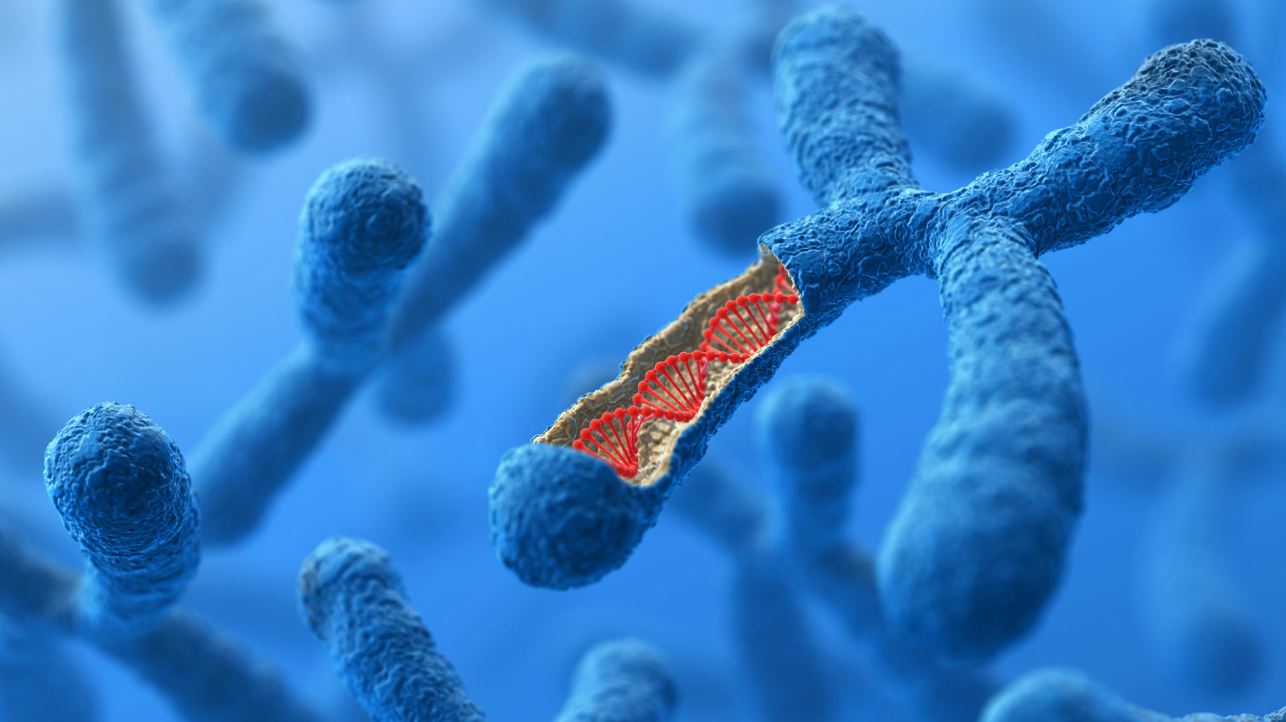
Molecular genetics is anchored in the central dogma of biology, the flow of information from DNA to RNA to protein. This framework describes how genetic instructions are transcribed and translated to build the molecules that sustain life. Yet, while this linear pathway remains fundamental, research in molecular genetics has revealed a far more intricate reality. Genes are not simple on-and-off switches but elements within a complex regulatory network. Their activity is influenced by chromatin architecture, non-coding RNAs, protein regulators, and even three-dimensional genome folding. Revisiting the central dogma through this lens reveals that molecular genetics is less a straight line and more a symphony, with multiple players and layers of control.
DNA Structure and Its Influence on Function
The double helix is more than a storage device for genetic information. Its structure influences how accessible genes are to transcription machinery. DNA sequences can bend, twist, and form secondary structures such as G-quadruplexes that affect gene activity. Repetitive sequences, once considered “junk DNA,” are now recognized as regulators of chromatin organization and genome stability. Molecular genetics seeks to understand not only what the DNA sequence encodes but also how its structure contributes to gene expression. This duality of code and form allows DNA to act as both a blueprint and an architectural scaffold within the nucleus.
The Role of RNA Beyond Messenger Functions
For decades, RNA was viewed primarily as a messenger carrying instructions from DNA to ribosomes for protein synthesis. Today, molecular genetics has revealed a vast RNA universe with roles far beyond translation. Non-coding RNAs, including microRNAs, long non-coding RNAs, and circular RNAs, regulate gene expression at transcriptional and post-transcriptional levels. Some act as molecular sponges that sequester regulatory proteins, while others guide chromatin-modifying complexes to specific regions of the genome. Ribozymes demonstrate that RNA can act as a catalyst, while RNA editing introduces diversity into transcripts. This expansion of RNA biology shows that the genome’s output is not limited to protein coding but includes a wide array of regulatory molecules essential to genetic control.
Proteins as Regulators of the Genome
Proteins are the executors of genetic instructions, but they also regulate the very DNA that encodes them. Transcription factors bind specific DNA sequences to activate or repress genes. Chromatin remodelers reposition nucleosomes, altering DNA accessibility. DNA-binding proteins recognize damage and initiate repair, preserving genetic integrity. Some proteins act as epigenetic markers, modifying histones or methylating DNA to alter gene expression without changing sequence. The interplay of protein regulators ensures that genes are expressed in the right place, at the right time, and at the right level. Without this regulation, cells would lose identity, leading to disease and dysfunction.
The Complexity of Gene Networks
Genes do not act in isolation. They form networks that interact through feedback loops and signaling cascades. Molecular genetics uses systems biology approaches to map these interactions, creating models that capture the dynamics of entire regulatory circuits. For example, the lac operon in bacteria is a classic model of gene regulation, but in higher organisms, networks are far more complex, involving dozens or hundreds of components. These networks allow cells to respond flexibly to stimuli, maintain homeostasis, and undergo differentiation. Decoding the architecture of gene networks remains one of the greatest challenges in molecular genetics, requiring the integration of computational and experimental methods.
Mutations and Their Molecular Consequences
Mutations alter the sequence of DNA, but their effects ripple through molecular systems in diverse ways. Some change the coding sequence of proteins, while others affect regulatory regions, splicing sites, or RNA stability. Silent mutations, once assumed to be inconsequential, can influence how quickly ribosomes translate proteins or how RNA folds. Mutations in non-coding DNA can disrupt regulatory RNAs or enhancers, with consequences just as severe as coding mutations. Molecular genetics dissects these outcomes at the atomic level, linking subtle changes in sequence to shifts in phenotype, disease susceptibility, or evolutionary adaptation.
Molecular Genetics and Human Disease
Many human diseases are rooted in disruptions of gene regulation rather than outright loss of genes. Cancer provides a striking example, where mutations in oncogenes or tumor suppressors alter signaling pathways and transcriptional networks. Neurodegenerative diseases such as Huntington’s and ALS involve misfolded proteins and defective RNA processing. Rare genetic disorders often reveal fundamental aspects of molecular biology, such as the role of telomeres in aging or the importance of DNA repair in maintaining stability. Molecular genetics provides tools not only to identify these disruptions but also to design targeted interventions that restore balance at the molecular level.
The Power of Molecular Tools
The study of molecular genetics has been transformed by revolutionary tools. Polymerase chain reaction (PCR) enables rapid amplification of DNA, while sequencing technologies reveal entire genomes in a matter of hours. CRISPR-Cas9 allows targeted editing of DNA, while base editing and prime editing push the boundaries of precision. Techniques such as RNA-seq, ChIP-seq, and ATAC-seq map gene expression, protein-DNA interactions, and chromatin accessibility at unprecedented resolution. These tools turn molecular genetics from an observational science into one of active design and manipulation, opening doors to synthetic biology, gene therapy, and beyond.
Three-Dimensional Genome Architecture
DNA is not arranged linearly inside the nucleus but folded into intricate three-dimensional structures. Chromosomes occupy distinct territories, and loops bring distant regulatory elements into contact with promoters. Techniques such as Hi-C have revealed topologically associating domains, regions where interactions are more frequent. This spatial organization influences gene expression by controlling which enhancers interact with which genes. Molecular genetics is increasingly focused on understanding how genome architecture contributes to cell identity, development, and disease. Disruption of this organization can lead to misregulation, with profound consequences for health.
Evolutionary Insights from Molecular Genetics
Molecular genetics provides a window into evolution by tracing how genes and regulatory elements change over time. Comparative genomics shows that many regulatory proteins are conserved across species, highlighting their fundamental importance. Other elements, such as enhancers, evolve more rapidly, contributing to species-specific traits. The duplication of genes and divergence of regulatory networks provide raw material for innovation. Evolution at the molecular level is not only about sequence changes but also about shifts in how genes are controlled, reflecting the dynamic interplay between stability and flexibility in living systems.Molecular Genetics in the Age of Systems Biology
As datasets grow larger and more complex, molecular genetics increasingly overlaps with systems biology. Instead of studying single genes or pathways in isolation, researchers now examine the genome as a whole. Multi-omics approaches integrate genomics, transcriptomics, proteomics, and metabolomics to provide a comprehensive view of cellular regulation. Computational models simulate how genetic networks respond to perturbations, predicting outcomes that can guide experiments. This holistic view is essential for understanding complex diseases, development, and evolution, moving molecular genetics into a new era of integrative science.
The Symphony of Molecular Control
Molecular genetics reveals life as a carefully orchestrated symphony, where DNA, RNA, and proteins act in concert to produce the complexity of living systems. Each molecule contributes a unique voice, and together they form the regulatory networks that guide development, health, and adaptation. Far from being static, these systems are dynamic, responsive, and adaptable, capable of balancing stability with change. The study of molecular genetics not only deepens our knowledge of biology but also equips us with tools to reshape it, offering insights into medicine, biotechnology, and evolution. In decoding this molecular orchestra, humanity gains both understanding and agency over the fundamental processes of life.