
The Cellular Language of Signaling
How Communication Between Cells Shapes Life and Complexity.
The Foundation of Cellular Communication
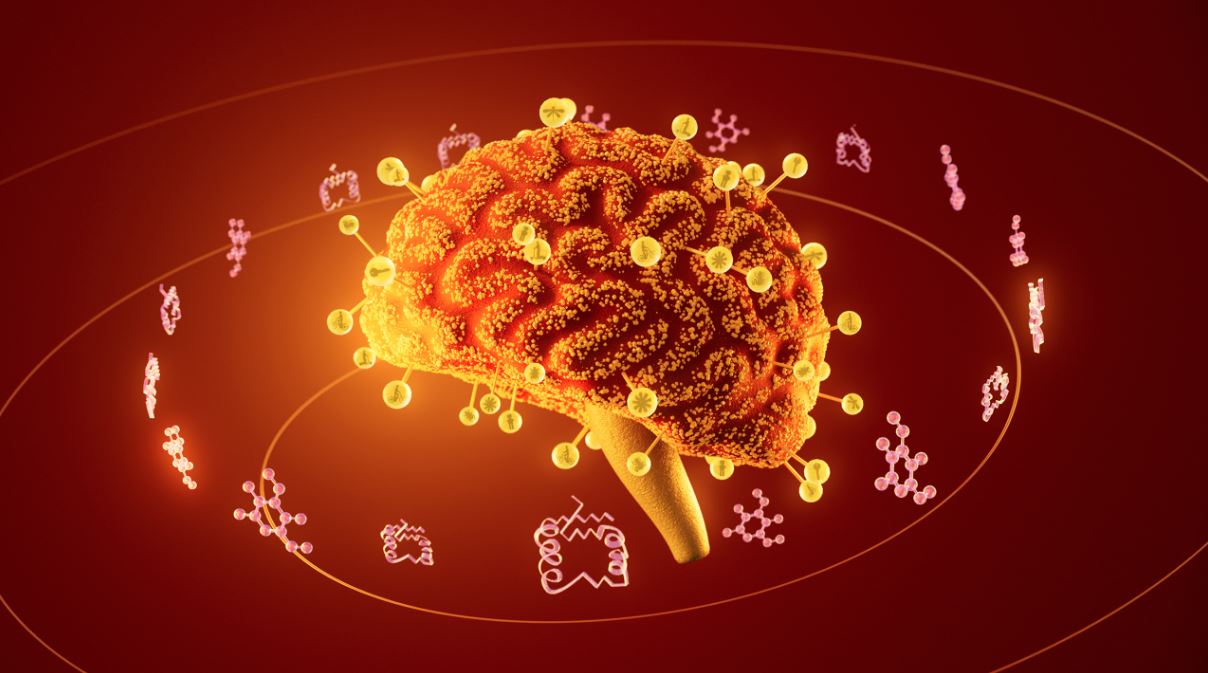
All living organisms, from single-celled bacteria to complex animals, rely on communication to coordinate life processes. At the cellular level, this communication is mediated by signaling systems that transmit information between cells or within a single cell. Without these signals, tissues would fail to organize, immune defenses would collapse, and development would halt. Signaling involves molecules that act as messengers, receptors that interpret messages, and pathways that translate information into action. These interactions form a universal language of biology, allowing cells to adapt, respond, and cooperate within the larger organism.
The Role of Chemical Messengers
Chemical messengers are at the heart of cellular signaling. Hormones, neurotransmitters, and growth factors are released into the environment surrounding cells, carrying information about internal states and external conditions. For example, insulin signals cells to absorb glucose after a meal, while adrenaline prepares the body for rapid response in moments of stress. Even in single-celled organisms, chemical cues guide behavior, such as bacteria using quorum sensing to coordinate group activity. The ability to release and detect molecular signals has been a powerful evolutionary innovation, enabling the emergence of multicellularity and the complex physiology of animals and plants.
Signal Reception and Transduction
Communication begins when a signaling molecule binds to a receptor on a target cell. These receptors, often embedded in cell membranes, are finely tuned to detect specific signals. Once activated, they initiate a cascade of molecular events inside the cell known as signal transduction. This process amplifies the initial message, often involving enzymes, secondary messengers, and protein modifications that change the cell’s behavior. The precision of this process is remarkable. A single hormone molecule binding to its receptor can trigger thousands of downstream reactions, ensuring that cells respond quickly and decisively to changing conditions.
Cellular Signaling in Development
Embryonic development depends heavily on signaling systems to guide cell fate and tissue organization. Morphogens, signaling molecules that form concentration gradients, tell cells where they are located within the embryo and what they should become. The balance of signaling pathways determines whether a stem cell remains undifferentiated or transforms into a neuron, muscle cell, or skin cell. Errors in developmental signaling can result in malformations, genetic syndromes, or early embryo loss. Understanding these pathways not only illuminates the biology of growth but also informs regenerative medicine, where scientists attempt to guide stem cells into forming replacement tissues.
The Immune System as a Network of Signals
The immune system demonstrates the power of cellular communication on a global scale. Immune cells must recognize pathogens, warn other cells, and coordinate attacks, all through signaling molecules called cytokines and chemokines. These messengers can recruit reinforcements, trigger inflammation, or calm the system once a threat is neutralized. Miscommunication within this network can lead to autoimmune diseases, where the body attacks itself, or immune deficiencies, where responses are too weak. The complexity of immune signaling highlights how critical accurate communication is for survival, balancing defense against disease with protection from self-destruction.
The Nervous System and Electrical Signals
While chemical signaling dominates many systems, animals evolved an additional form of communication: electrical signaling in neurons. Action potentials travel along nerve cells with incredible speed, transmitting signals over long distances. At synapses, electrical impulses are converted into chemical neurotransmitters, which cross tiny gaps to influence the next neuron. This hybrid of electrical and chemical communication underlies thought, sensation, and movement. The nervous system represents the pinnacle of signaling complexity, coordinating trillions of connections that enable higher cognition and behavior.
Crosstalk Between Pathways
Cellular signaling is rarely linear. Pathways interact, overlap, and influence one another in what scientists call crosstalk. For example, growth factor signals that stimulate cell division may also activate survival pathways, ensuring that cells not only proliferate but also resist stress. Crosstalk allows cells to integrate multiple signals and make decisions based on the context. This flexibility is essential, as cells are constantly bombarded by competing messages. However, crosstalk can also create vulnerabilities. In cancer, signaling pathways that normally regulate growth and repair are hijacked, allowing unchecked cell division and invasion.
Signaling in Plant Biology
Plants also rely on intricate signaling networks to survive and thrive. Hormones such as auxins, gibberellins, and ethylene regulate growth, flowering, and stress responses. Because plants cannot move, their survival depends on their ability to sense and respond to environmental cues like light, gravity, and drought. Signal transduction in plants integrates these cues, allowing them to bend toward sunlight, conserve water, or produce defensive chemicals against herbivores. This signaling is often slower than in animals but no less sophisticated, providing remarkable adaptability in the face of environmental change.
Evolutionary Perspectives on Signaling
The roots of signaling can be traced back to the earliest forms of life. Bacteria use signaling molecules to sense population density and coordinate collective behaviors such as biofilm formation. These simple systems represent the evolutionary precursors of the complex signaling seen in multicellular organisms. Over time, natural selection expanded and diversified signaling mechanisms, allowing organisms to achieve greater complexity and specialization. The conservation of certain pathways across species, such as the MAP kinase pathway, underscores how fundamental signaling is to life.
The Impact of Technology on Signaling Research
Advances in molecular biology and imaging technologies have transformed our understanding of signaling. Fluorescent markers allow scientists to watch signals unfold in real time within living cells. High-throughput sequencing and proteomics reveal the intricate networks that connect pathways. Computational modeling provides insights into how signals interact, predicting outcomes that can guide experimental design. These tools not only deepen our knowledge but also open new opportunities in medicine, such as designing drugs that target specific points in signaling cascades to treat cancer, autoimmune diseases, or neurological disorders.
Future Frontiers and Ethical Questions
The ability to manipulate signaling pathways presents both promise and challenge. CRISPR technology and synthetic biology are enabling precise rewiring of communication systems, offering the possibility of engineering cells with entirely new behaviors. For example, immune cells can be reprogrammed to recognize and attack cancer cells with greater efficiency. Yet, altering cellular communication raises ethical concerns, especially when interventions affect germline cells or ecosystems. The power to reshape signaling networks forces us to consider the boundaries between therapy, enhancement, and unintended consequences.
Life as a Symphony of Signals
At every scale of biology, from microbes to human societies, life is defined by the exchange of information. Cellular signaling represents the most fundamental level of this communication, orchestrating the growth, survival, and evolution of living systems. To study signaling is to study the language of life itself, a language written not in words but in molecules, gradients, and electrical impulses. As science continues to unravel this language, we gain not only practical tools for medicine and biotechnology but also a deeper appreciation of the unity and complexity of living systems.